New World Other
2026- The New Yorker | Photo Booth | China’s Shifting Relationship to the Countryside, Catherine Hyland’s images show what happened after the giant migration to the cities, Words by Peter Hessler March 21, 2026
- Taylor Wessing Portrait Prize 2025 | National Portrait Gallery, London, 13 November 2025 - 8 February 2026
- Exhibition ‘Division’ | Hatton Gallery | Newcastle Newcastle upon Tyne, England - Participating artists: Yan Wang Preston, Gerhard Stromberg, Catherine Hyland, Uta Kogelsberger, Wassily Kandinsky, William Cowen, Anthony Fry, Prunella Clough. 28 March – Wednesday 7 May 2025
China’s Shifting Relationship to the Countryside
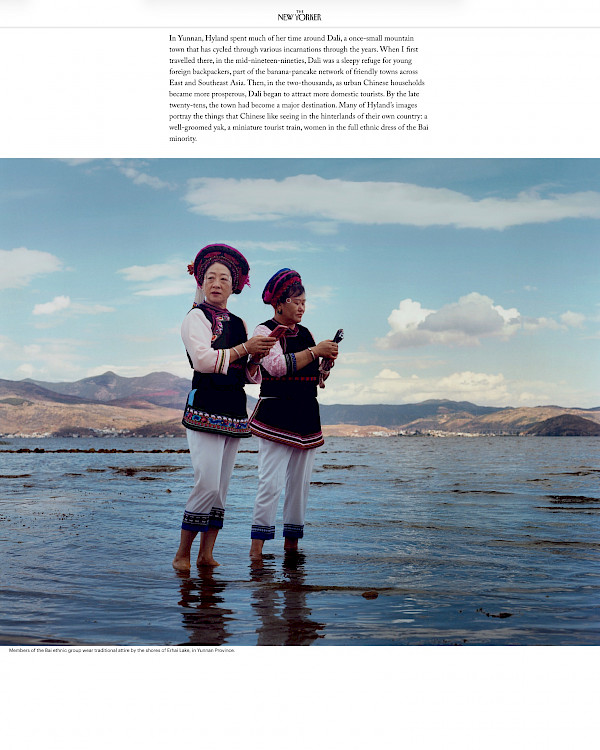
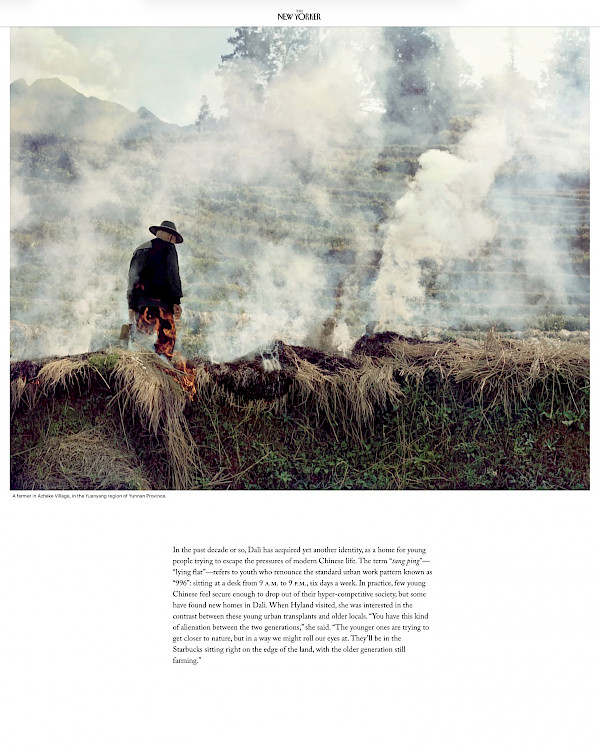
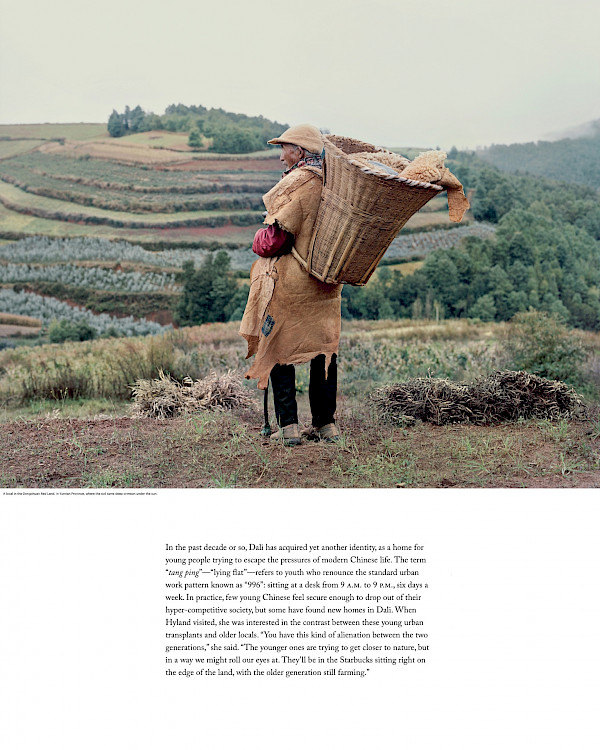
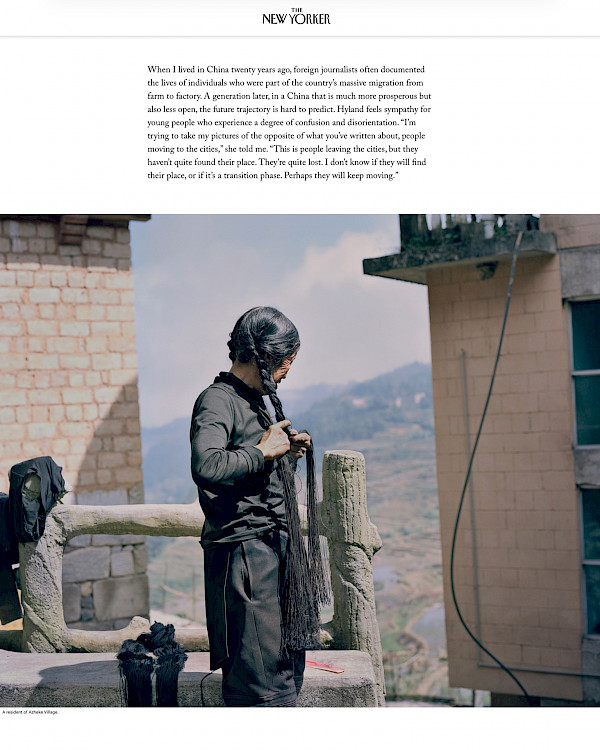
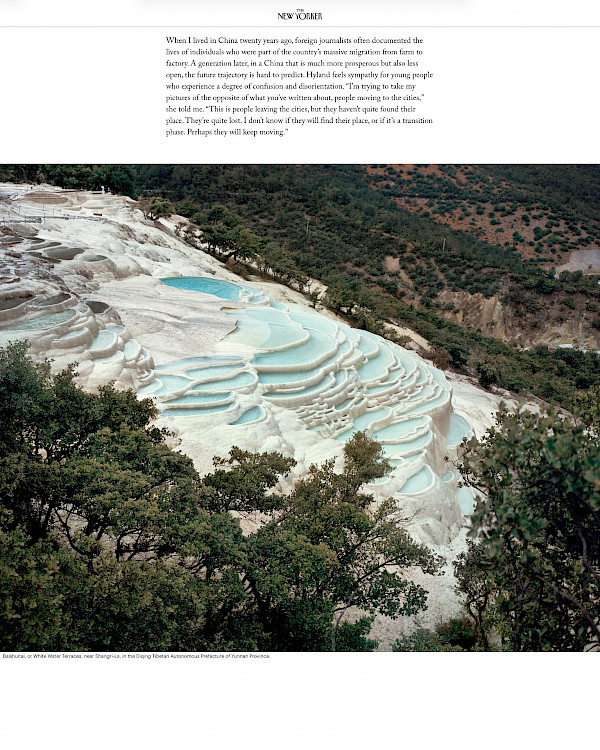
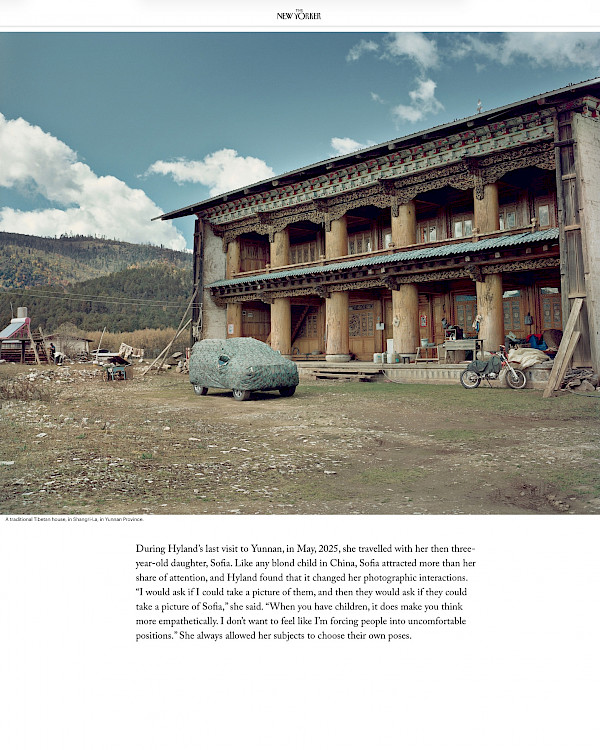
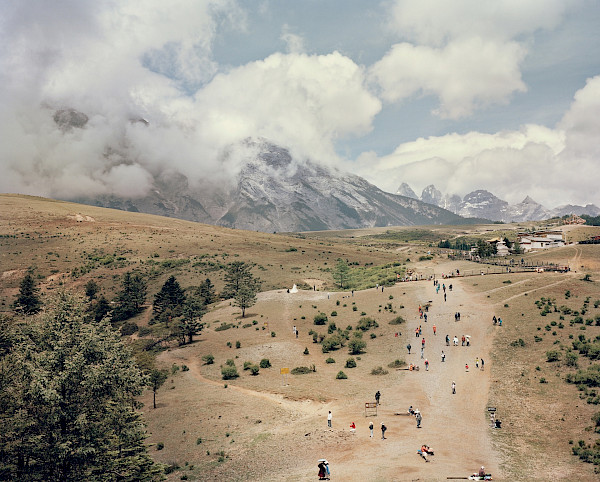
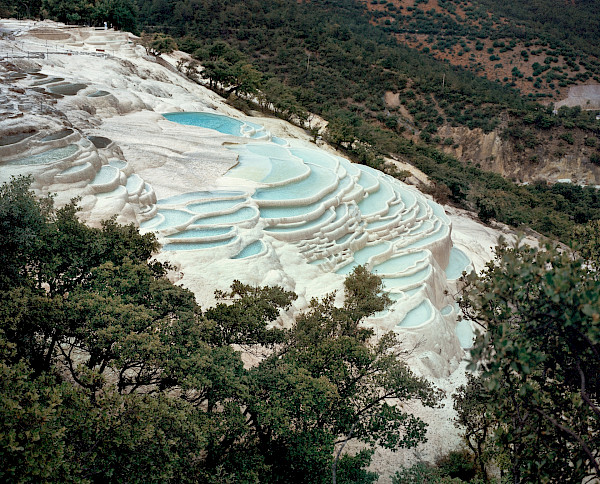
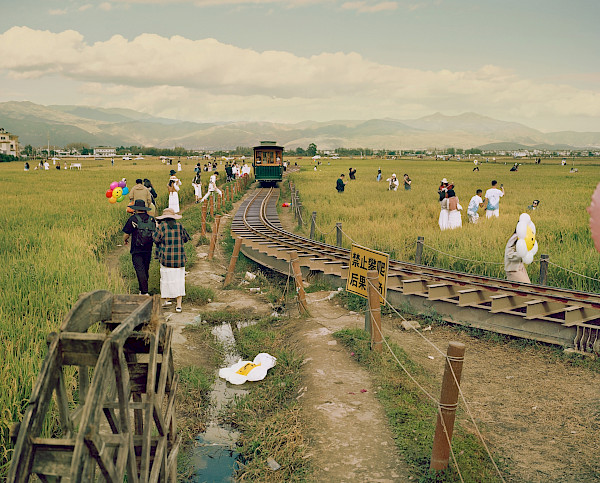
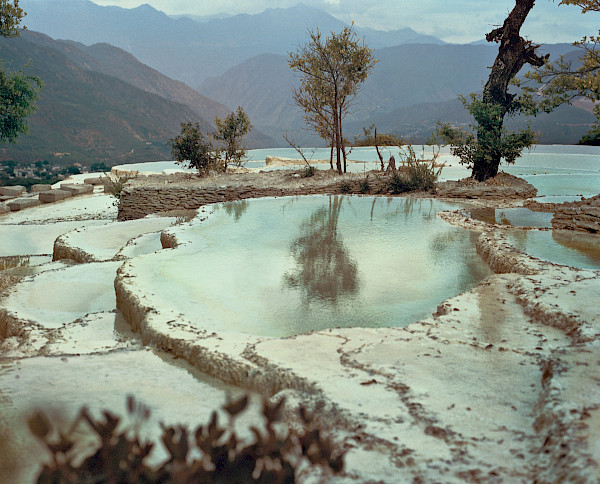
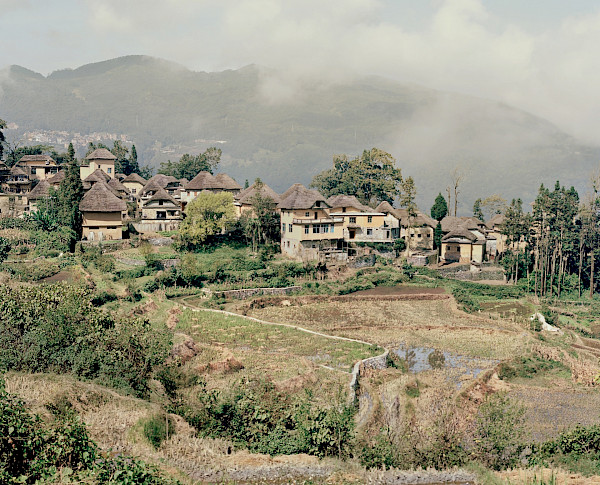
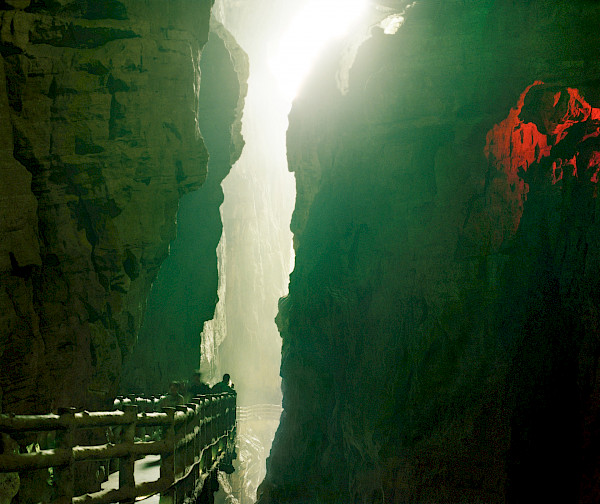
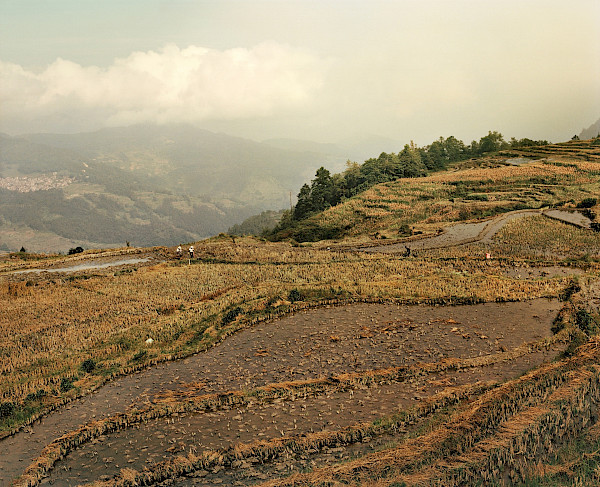
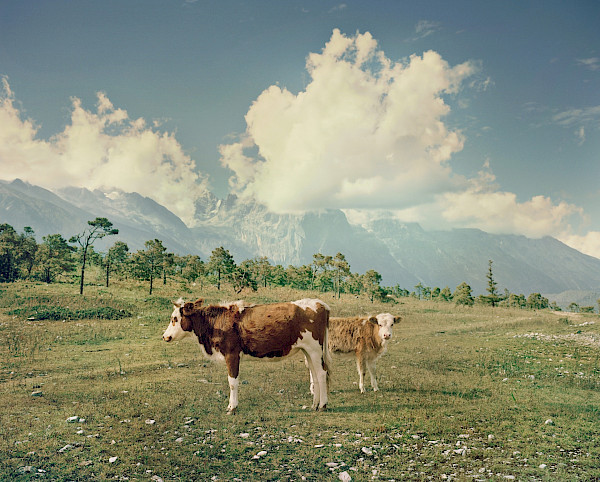
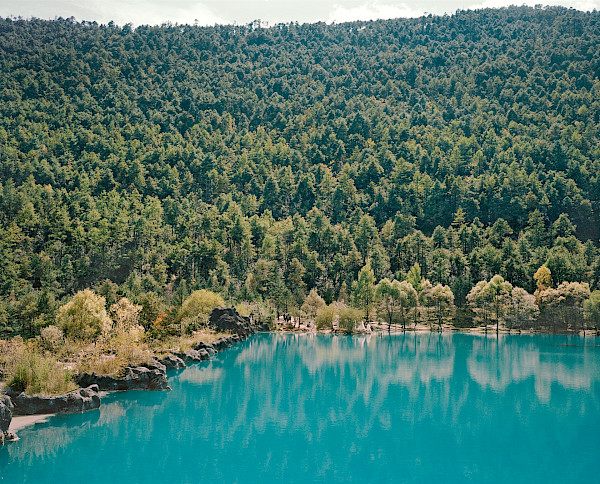
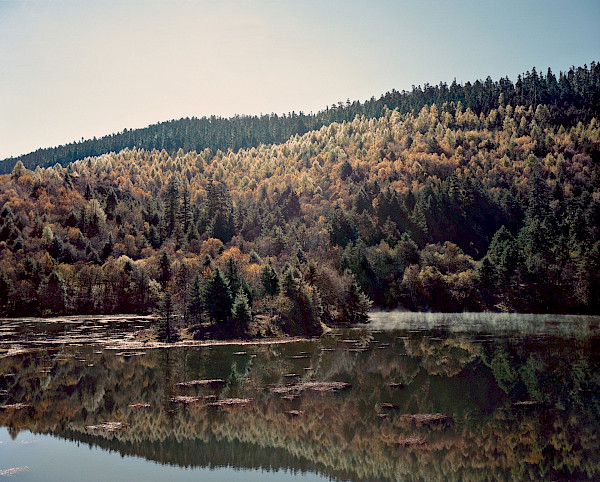
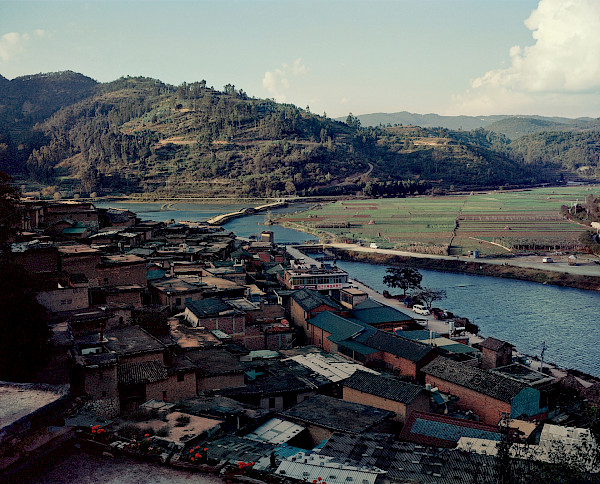
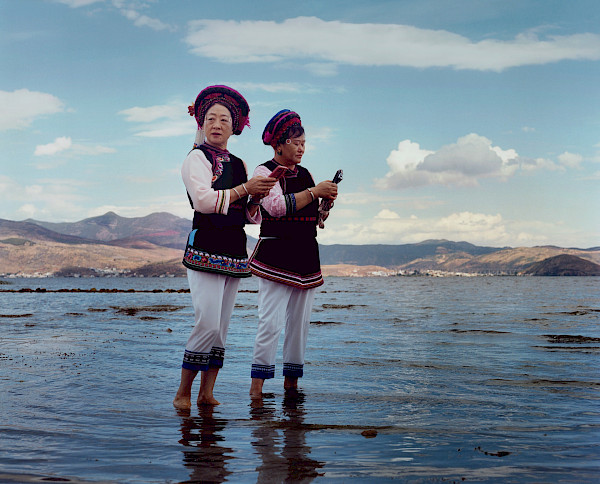
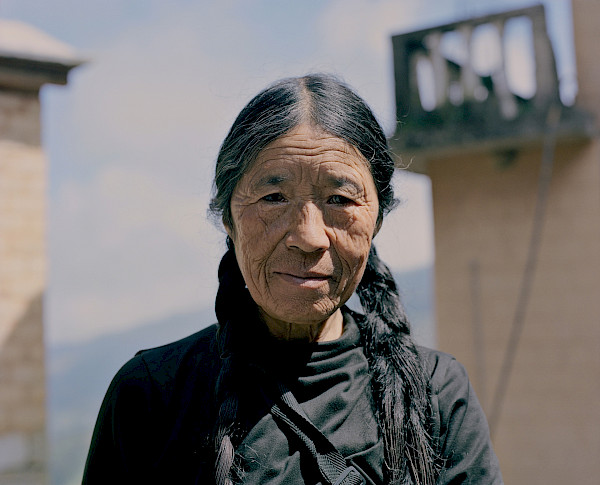
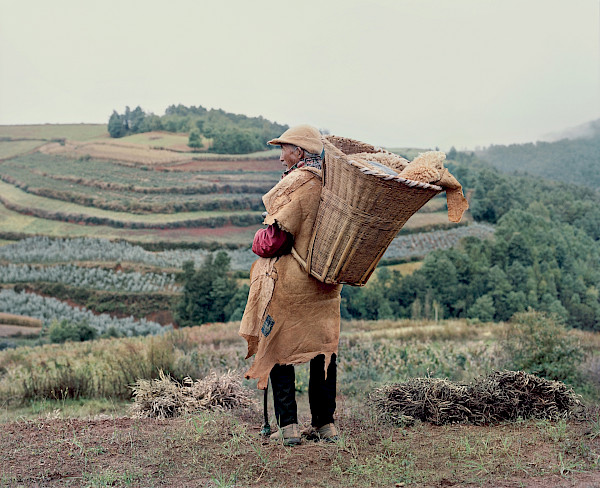
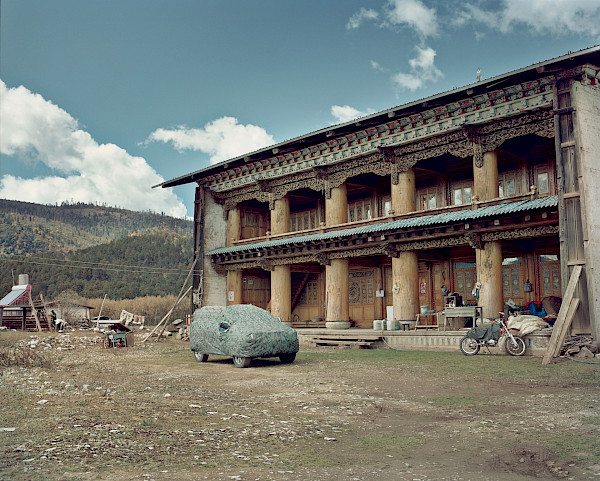
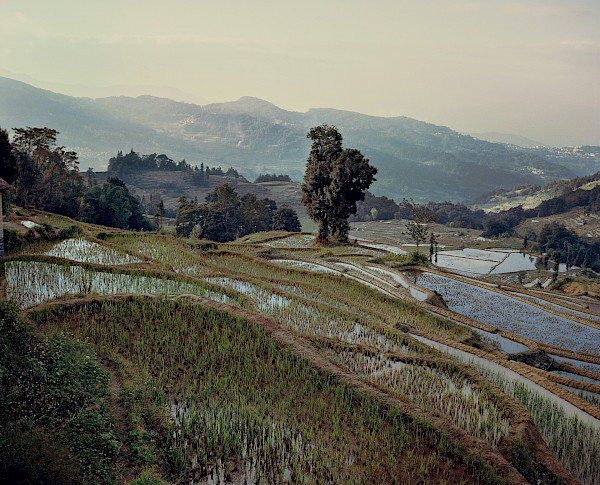
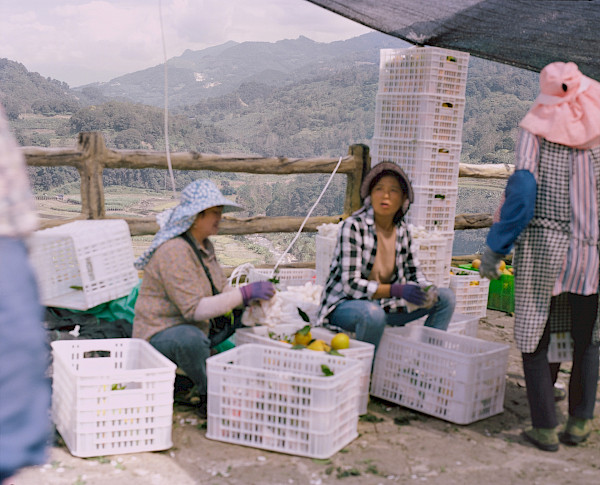
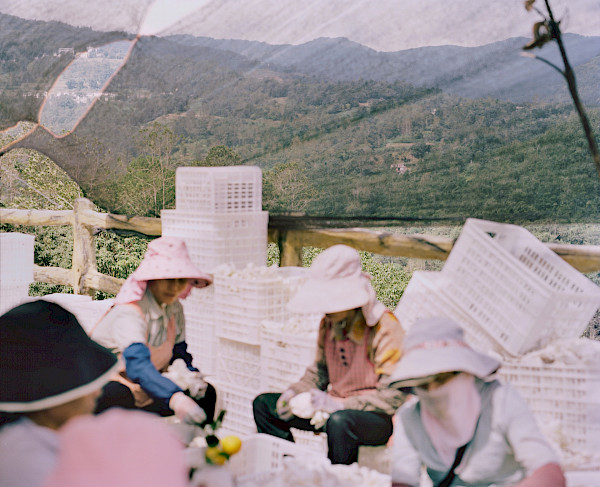
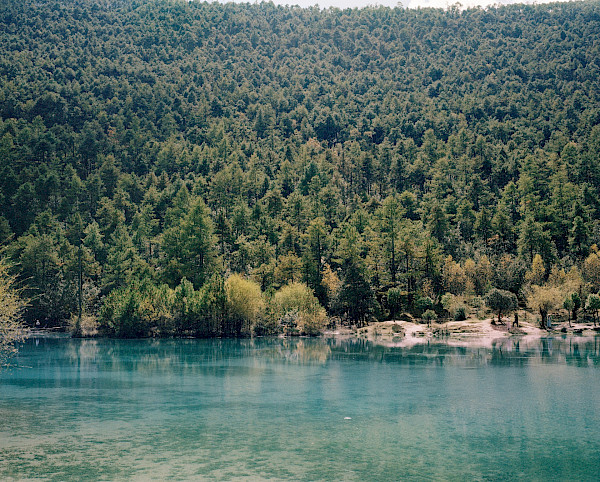
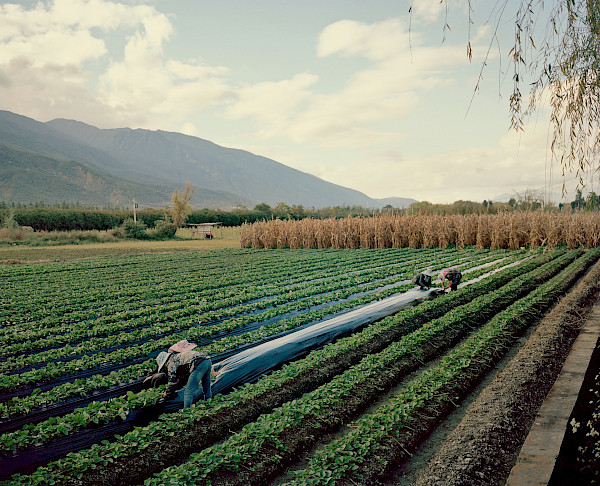
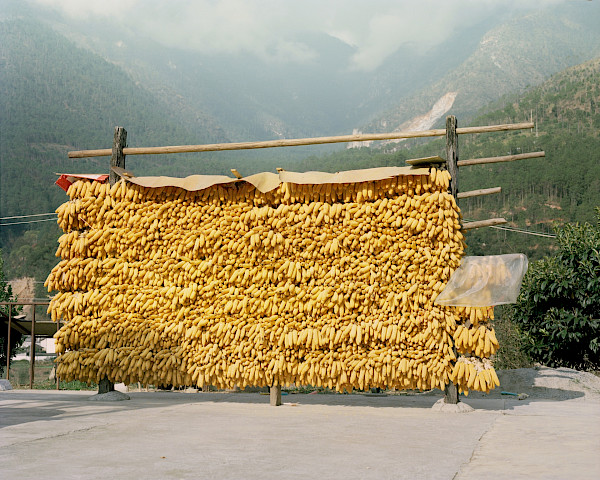
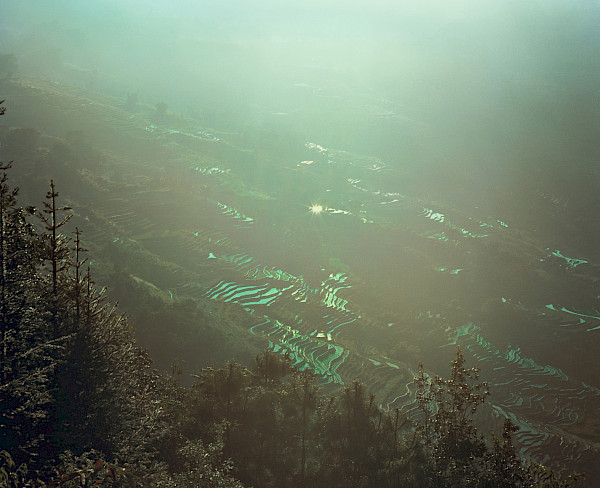
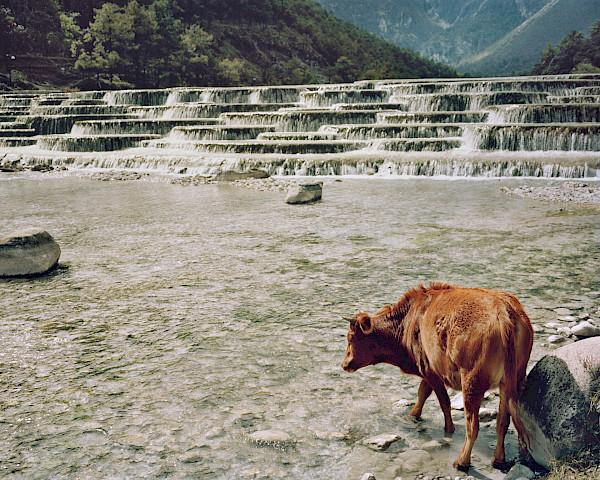
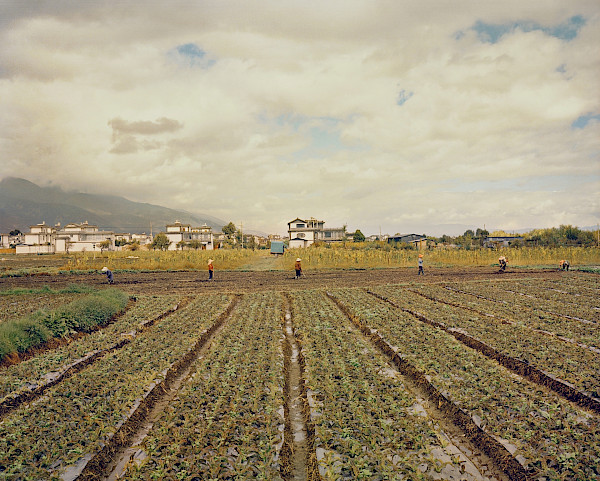
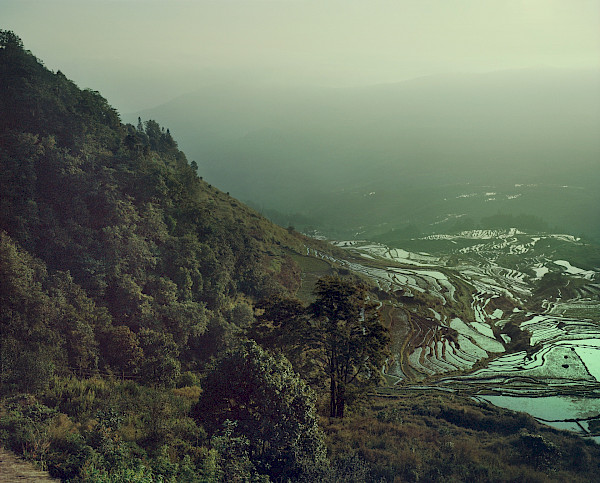
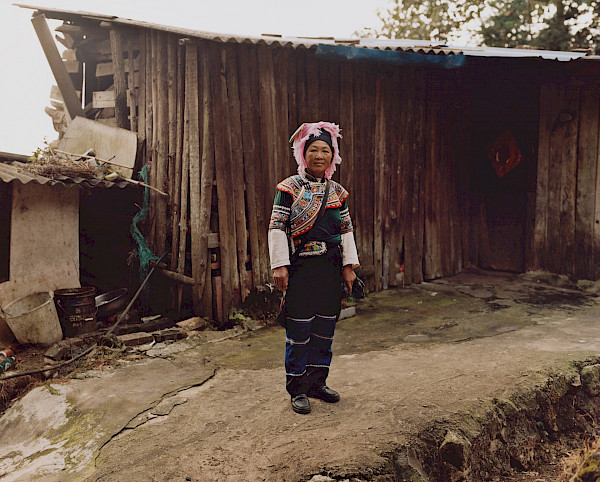
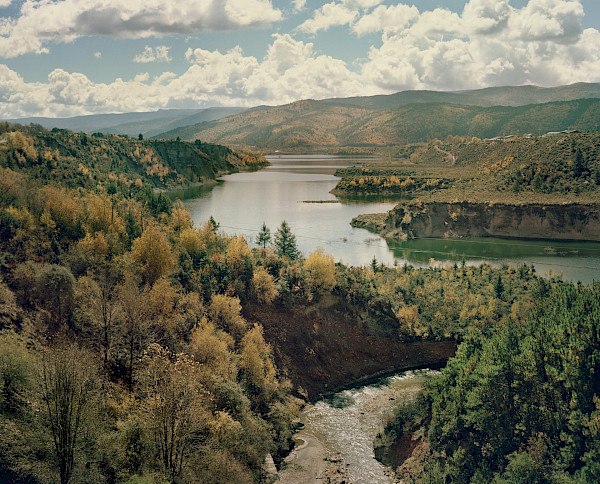
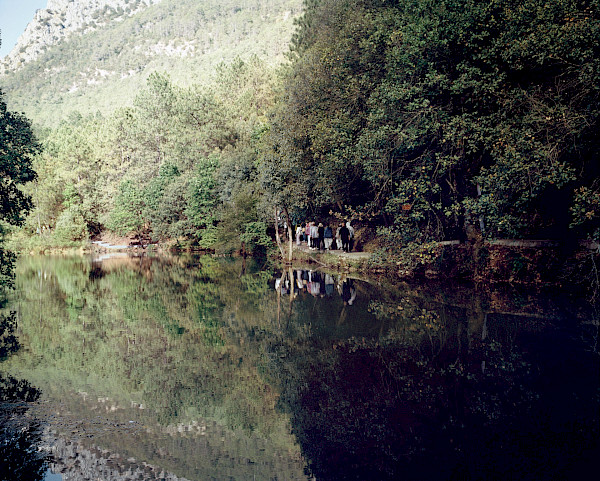
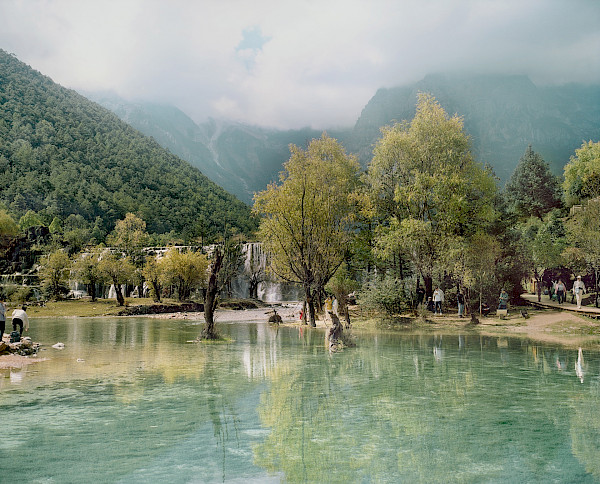
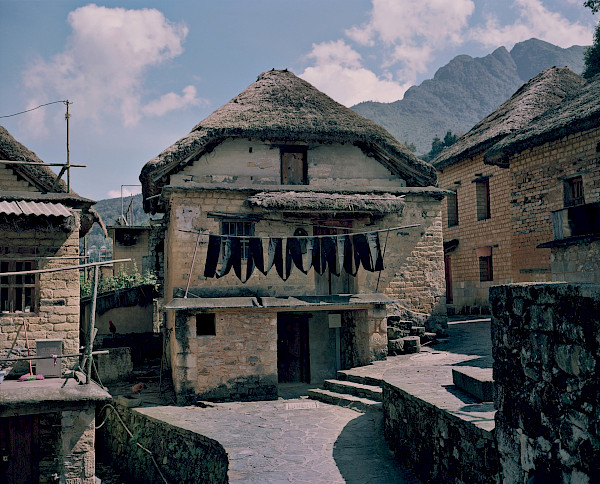
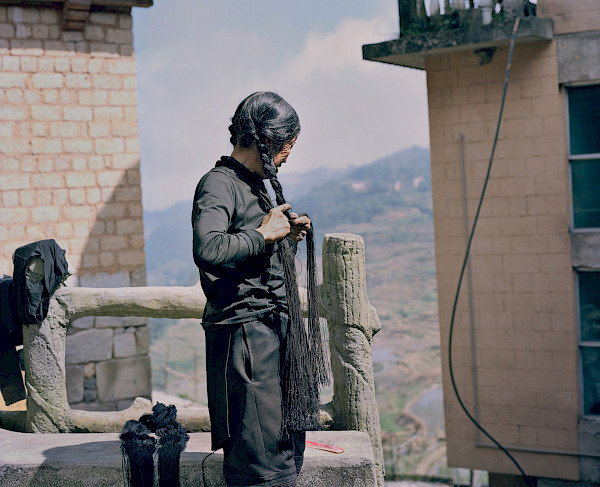
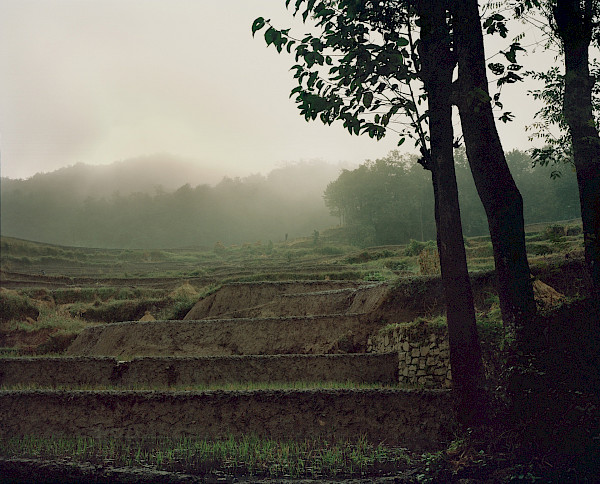
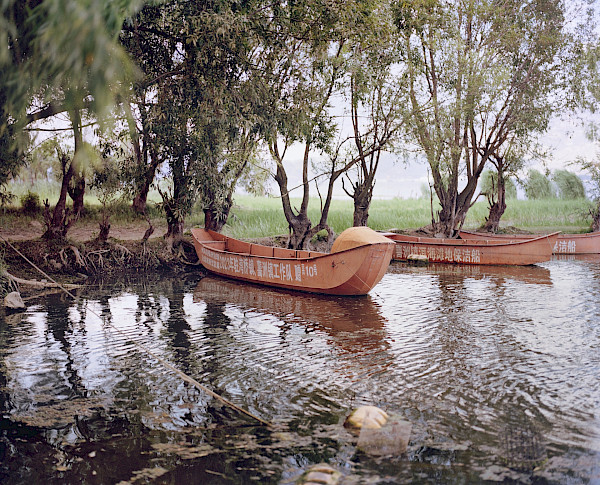
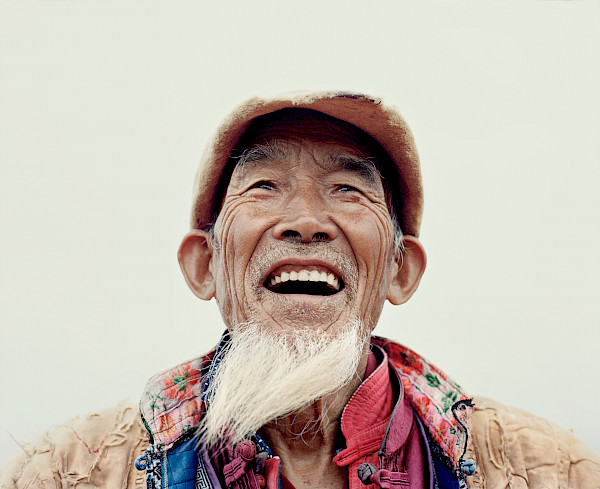
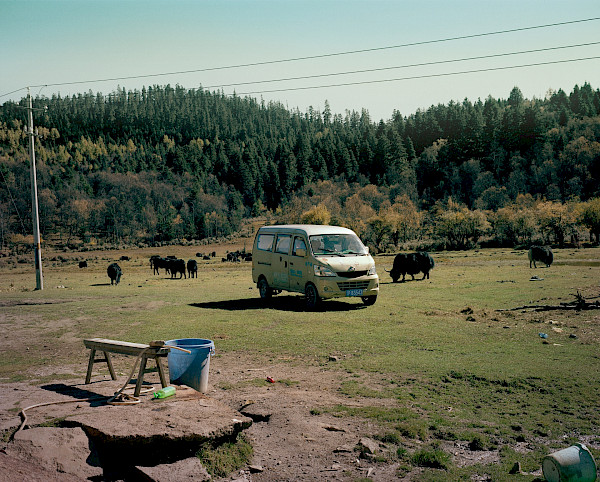
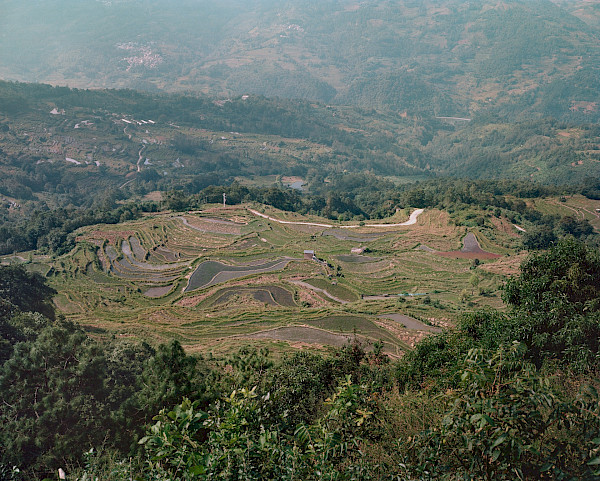
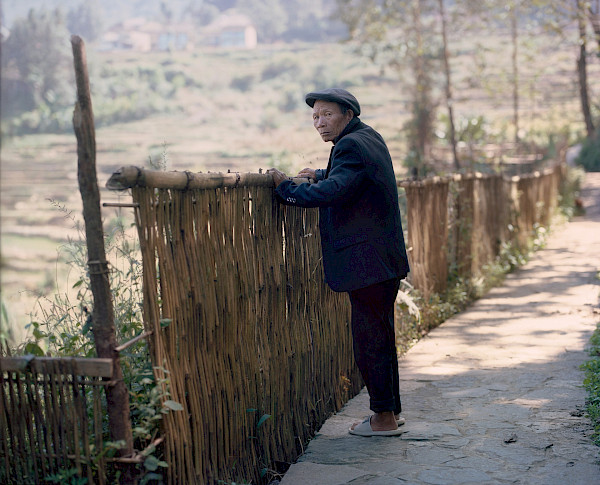
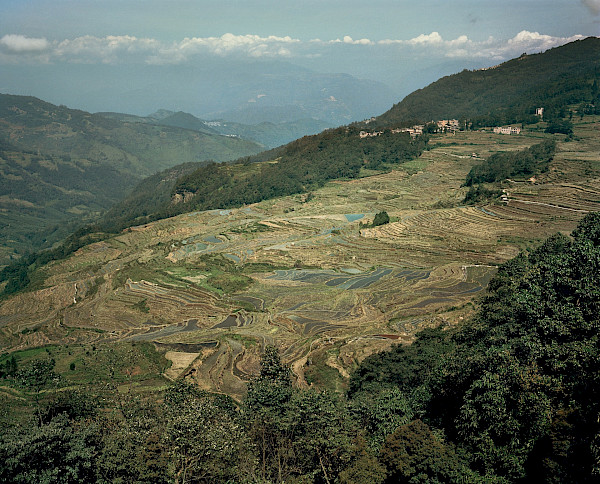
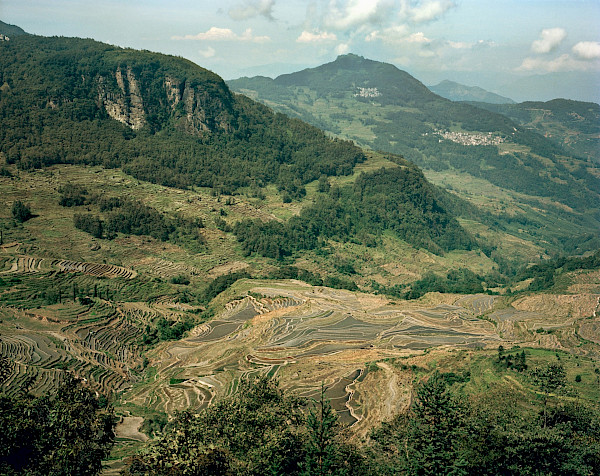
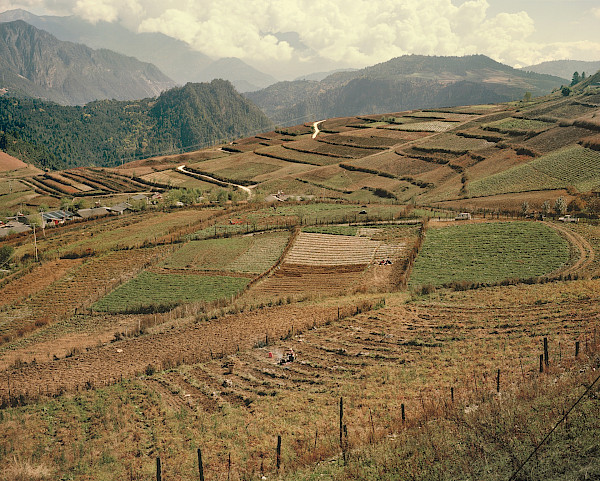
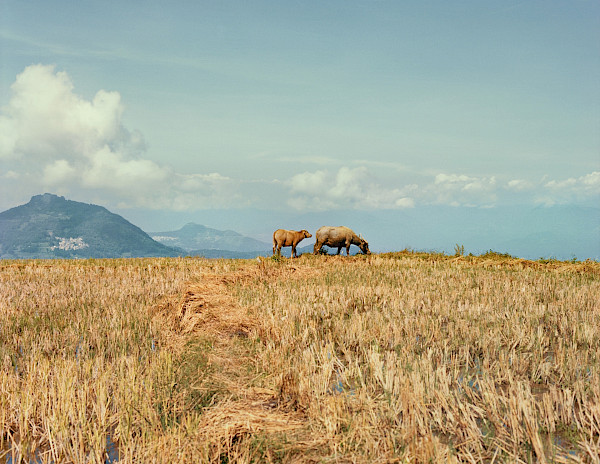
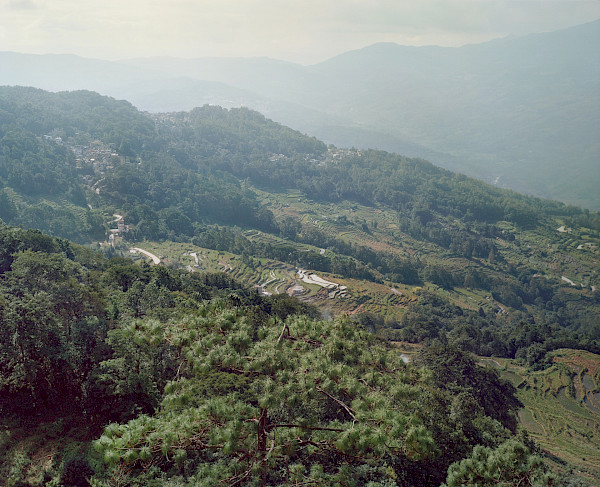
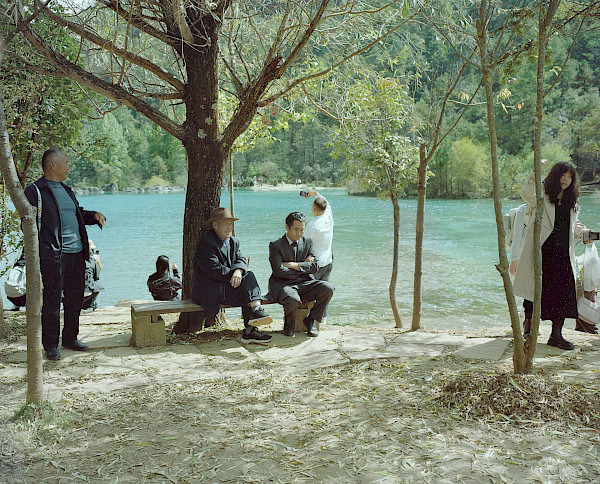
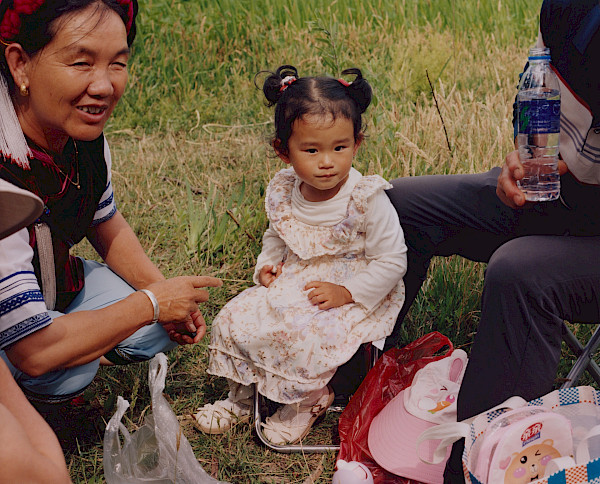
In Yunnan province, southwest China, nestled between snow-capped, 10,000-foot peaks and the shores of glistening Erhai Lake, lies the valley of Dali, an ancient town with a storied history. Dali has been home to the Bai people for thousands of years, who supposedly settled in this idyllic rural environment after fleeing warring dynasties in the north. Today, this modest town, where people have lived off the land for generations, is on the brink of massive change. Young Chinese (often digital nomads) are flocking to Dali to escape the relentless ‘996’ life cycle (work 9 am to 9 pm, 6 days a week), high cost of living, cutthroat competition, record youth unemployment and suffocating political environment of the country’s megacities.
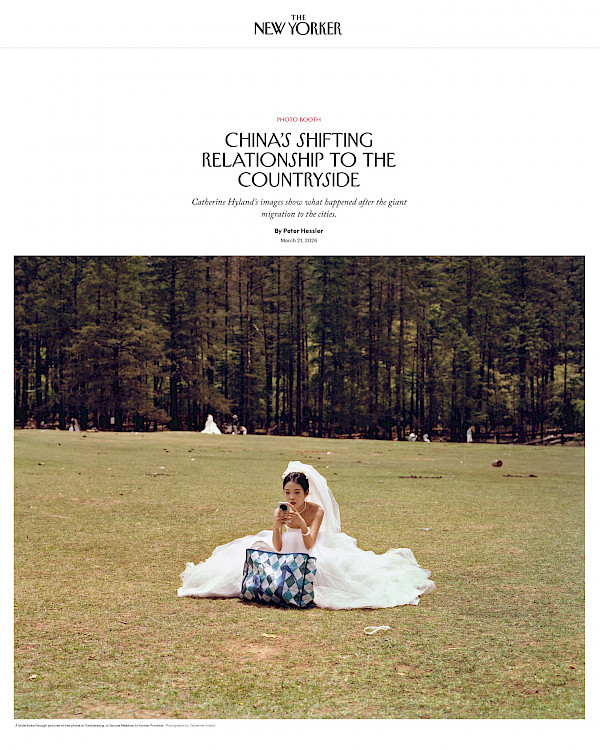
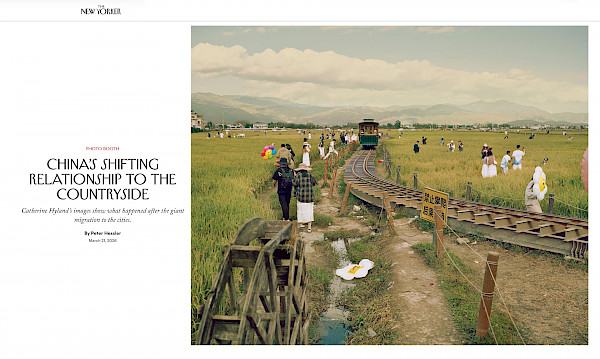
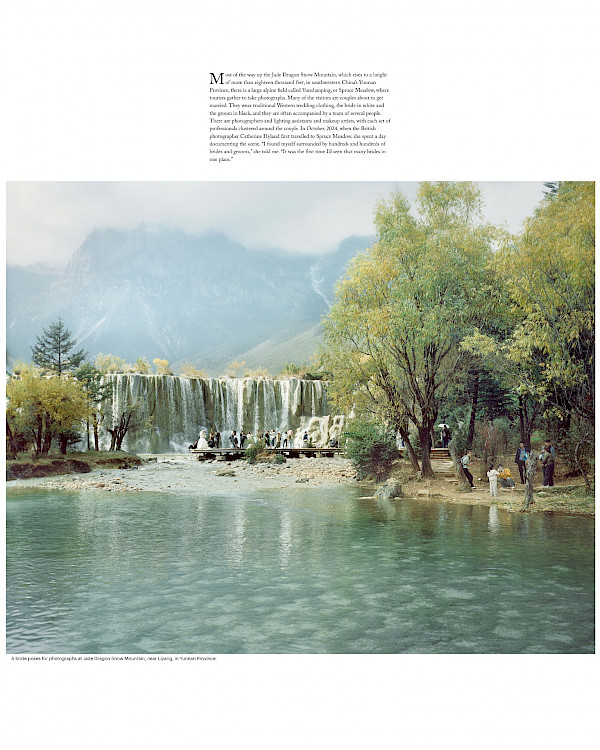
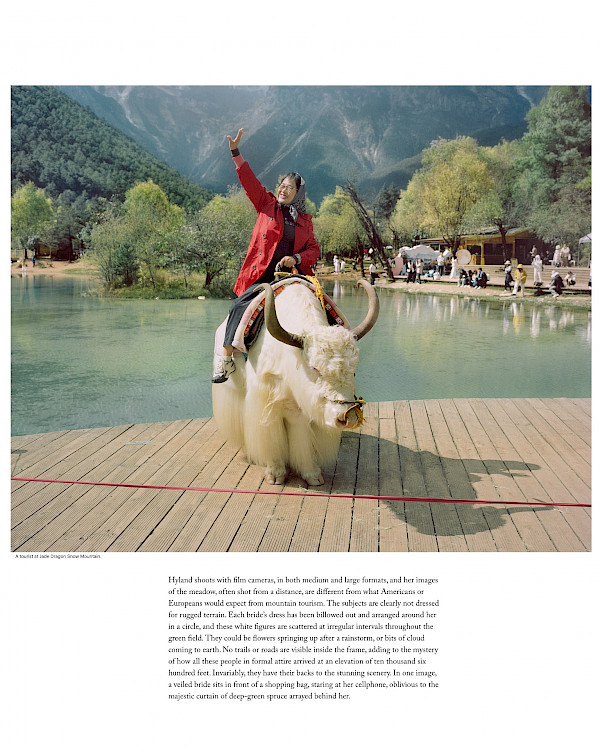
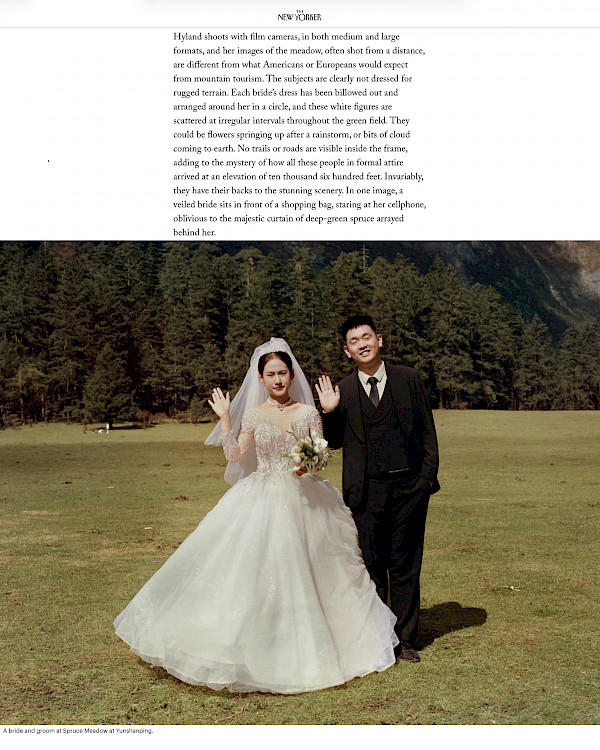
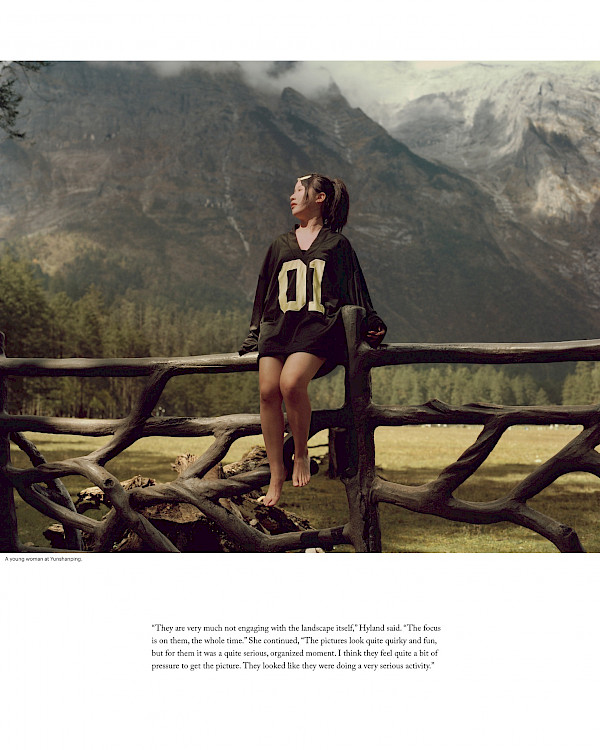
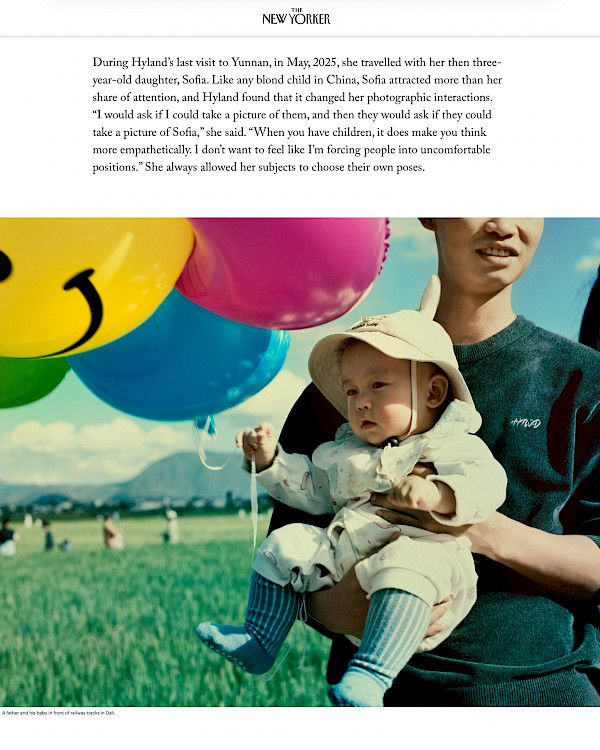
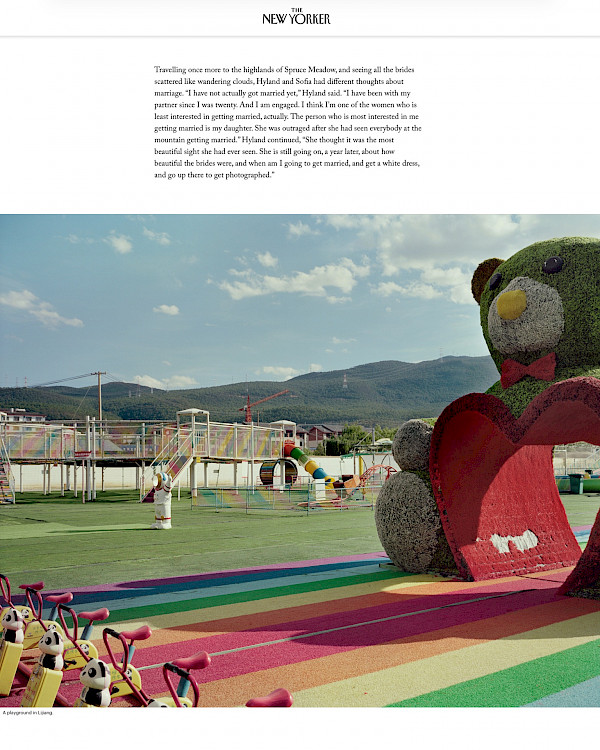
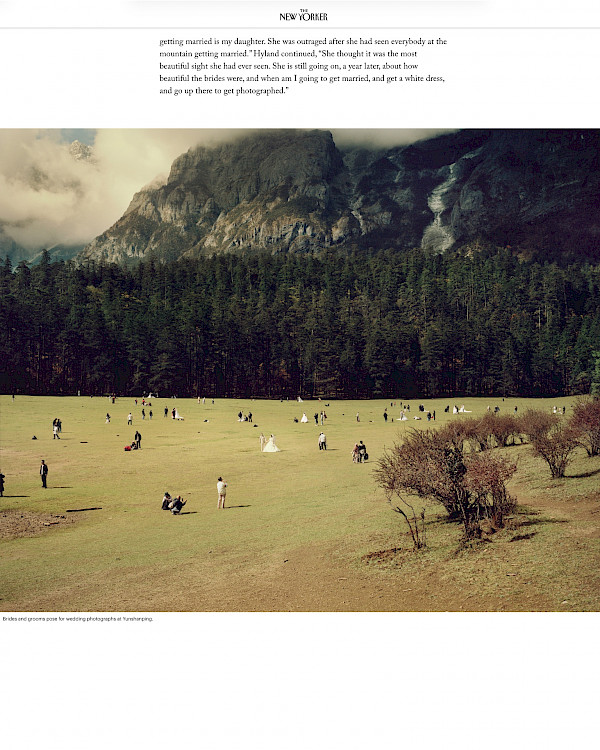
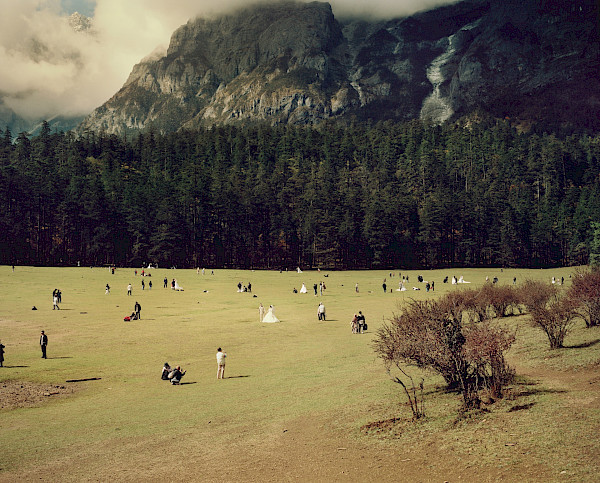
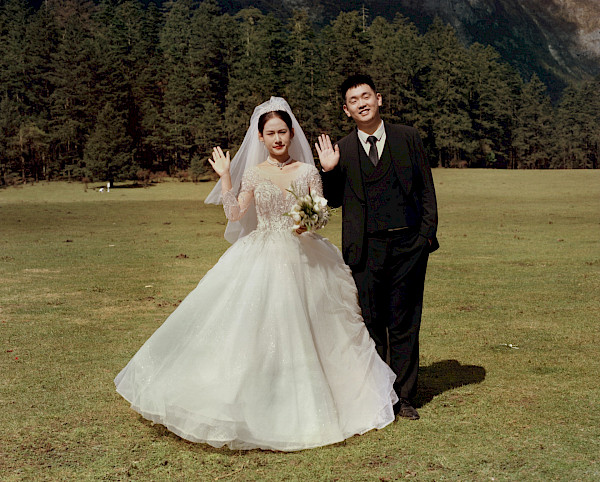
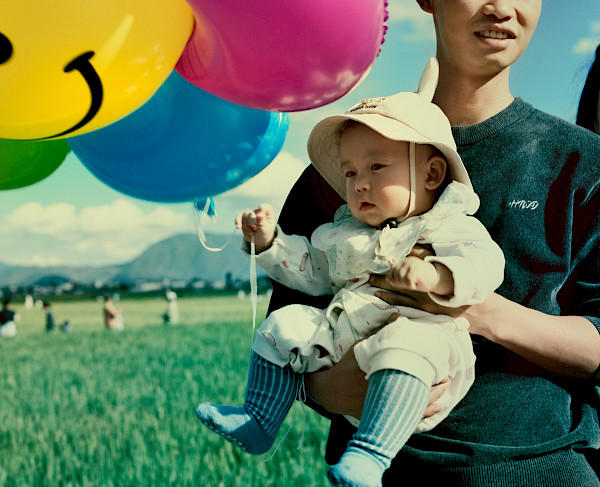
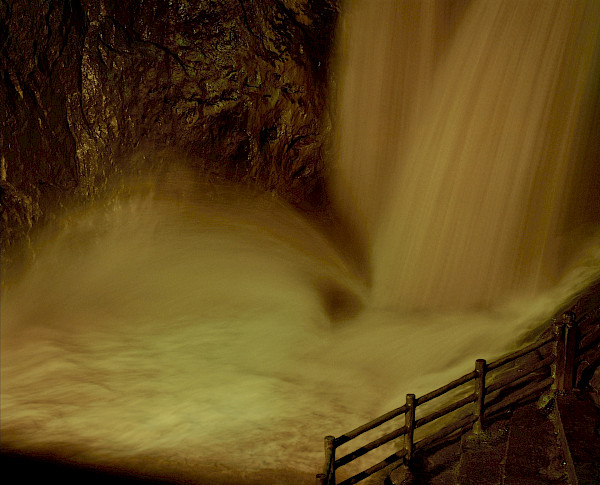
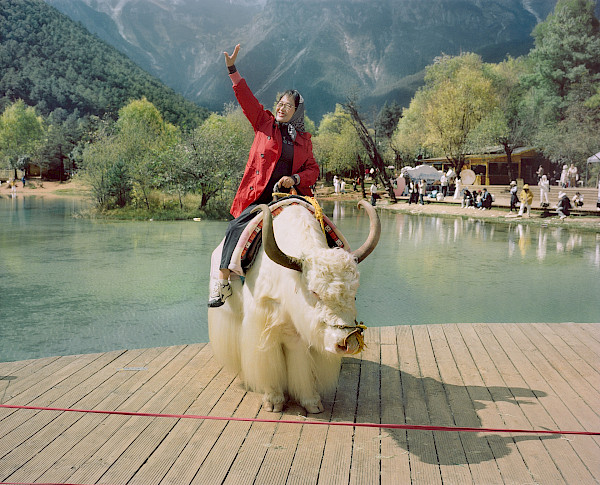
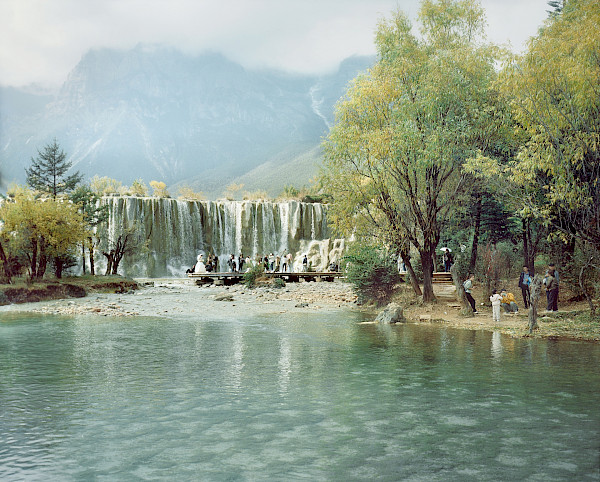
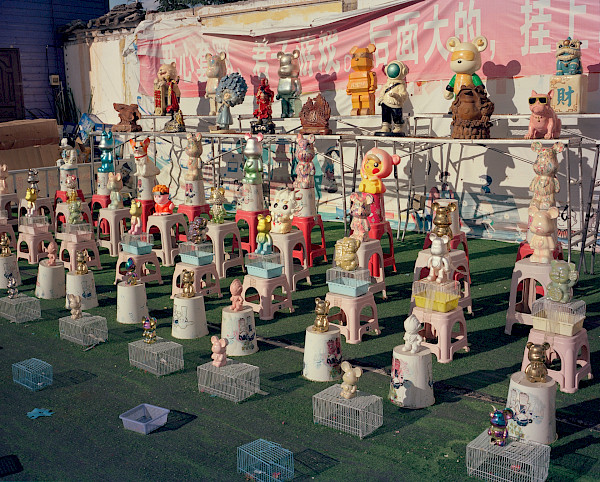
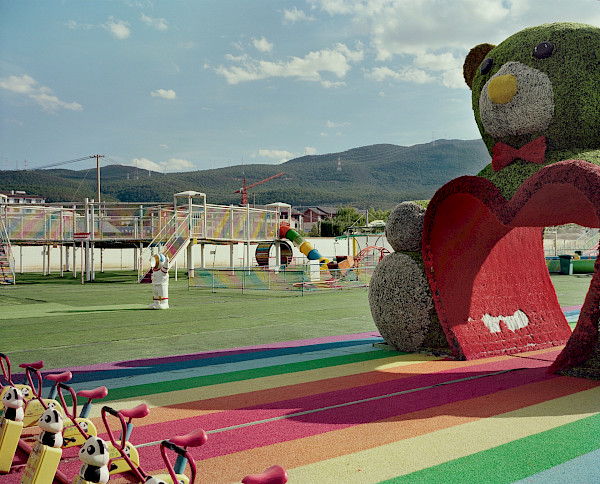
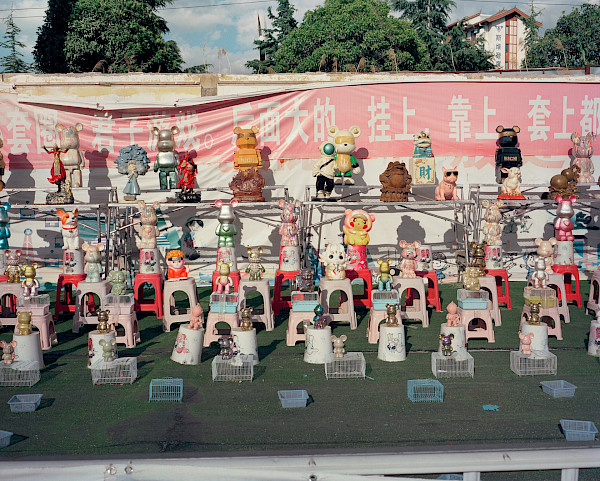
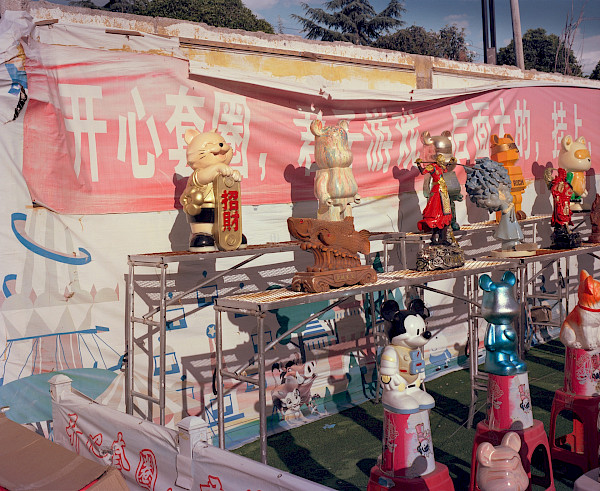
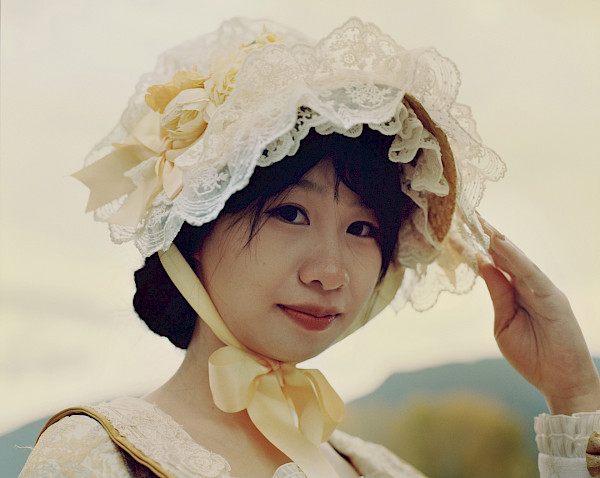
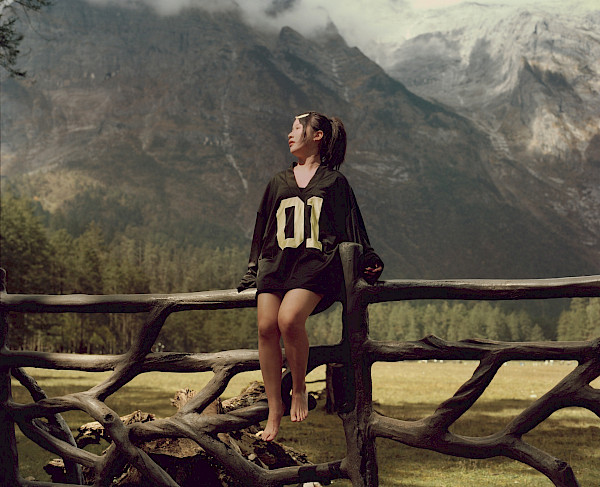
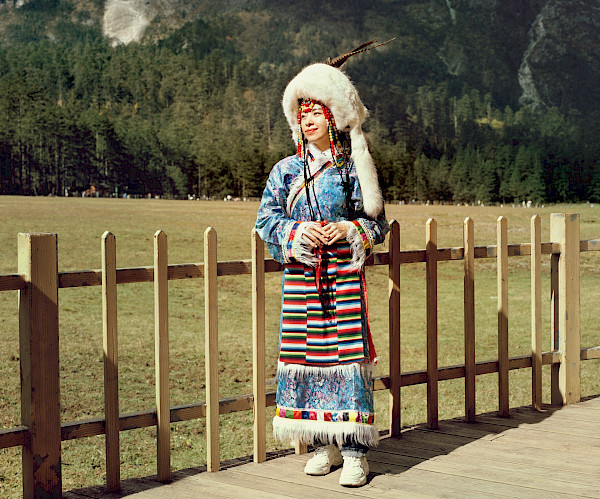
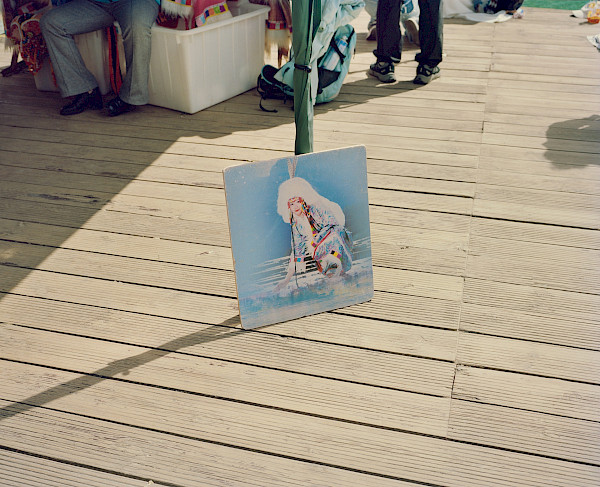
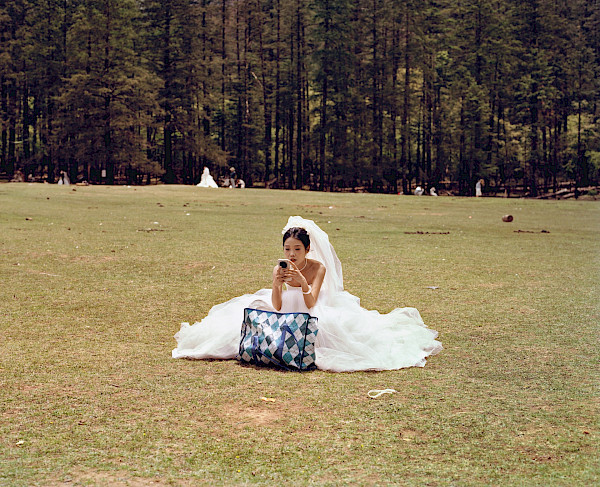
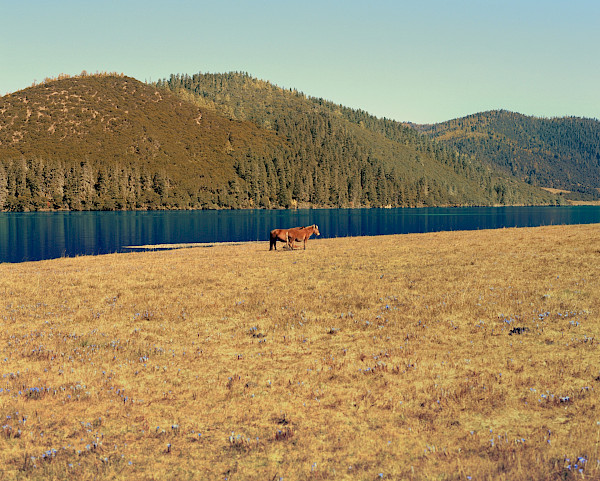
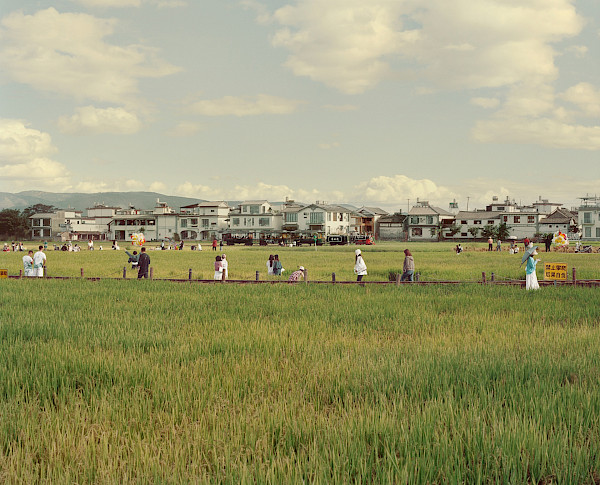
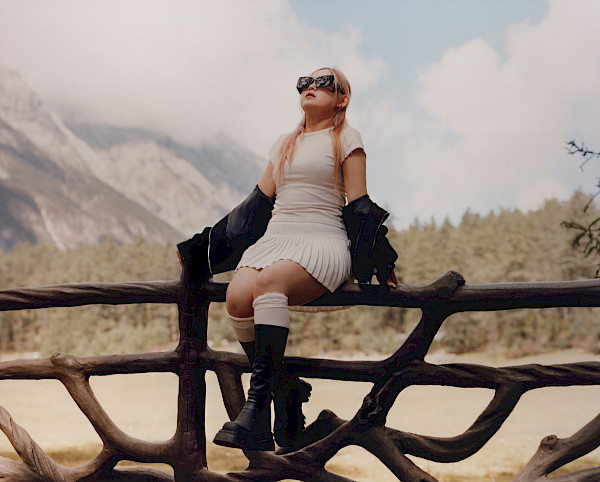
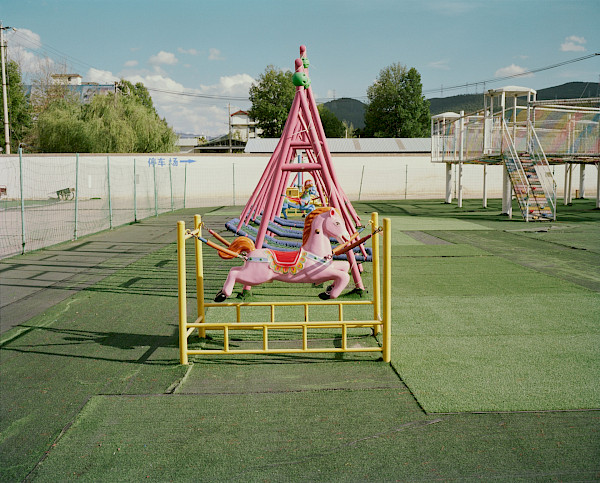
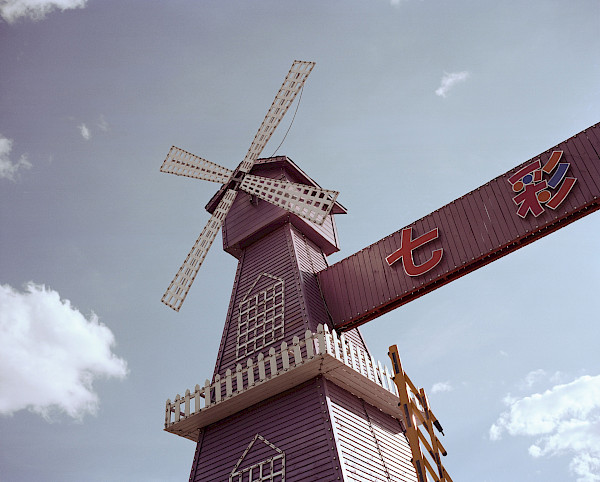
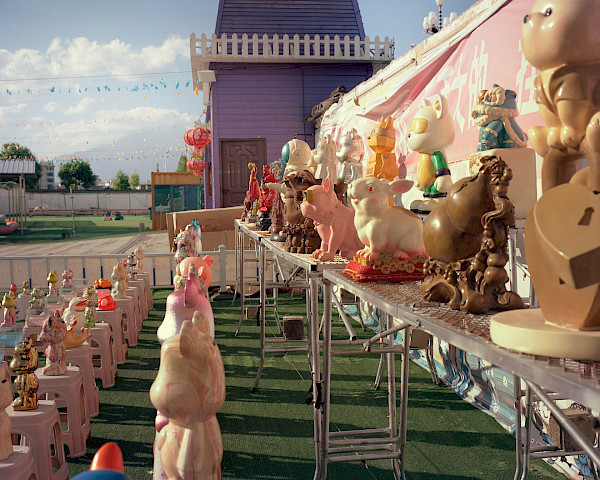
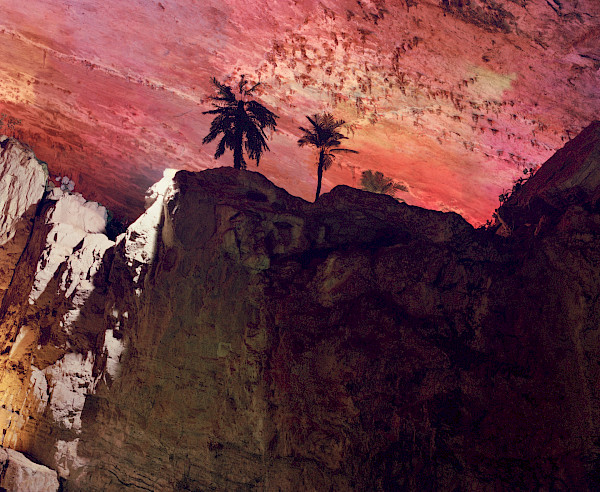
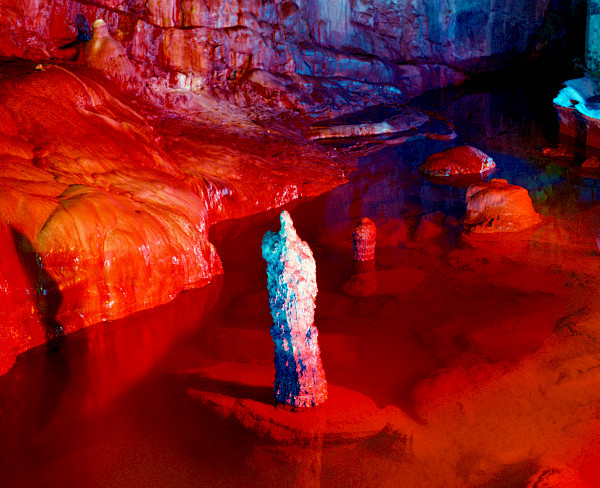
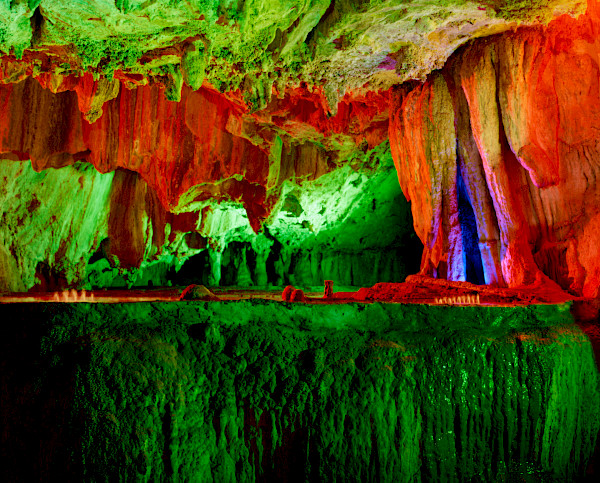
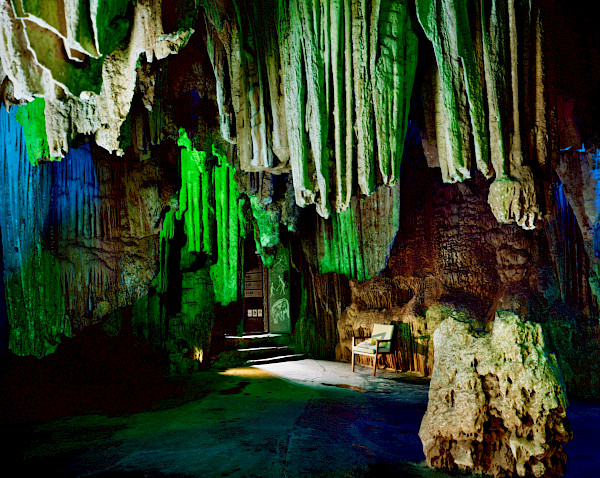
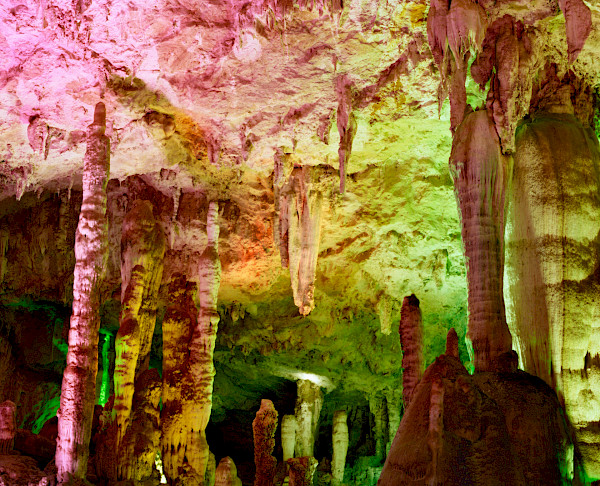
In New World Other, I’ve been exploring this unexpected back-to-the-land trend and its emergent economies, particularly the surreal yet critical role photography plays in Dali’s evolution. From the booming pre-wedding shoot industry in Yulong Snow Mountain, Lijiang to tourist photo-ops with people in traditional dress, residents harness photography in many ways to supplement their income. This communal act of picture-making reveals complex and contradictory ideas about how humanity and the land are changing.
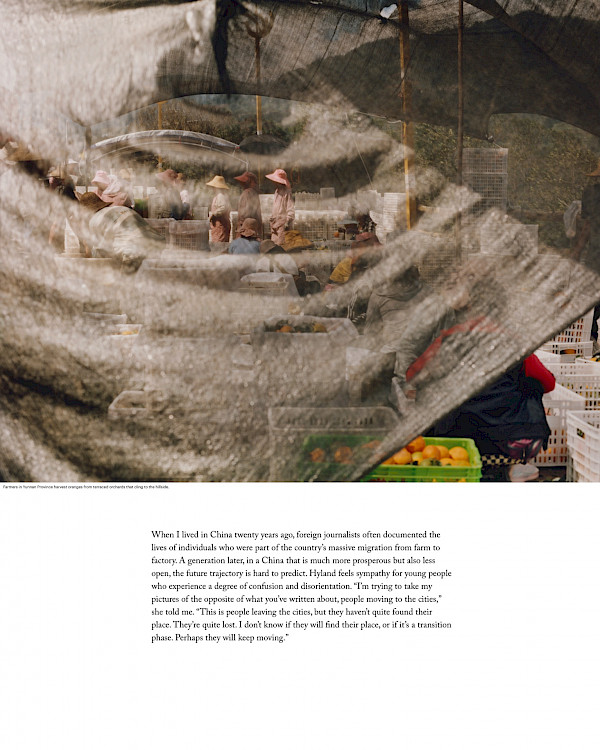
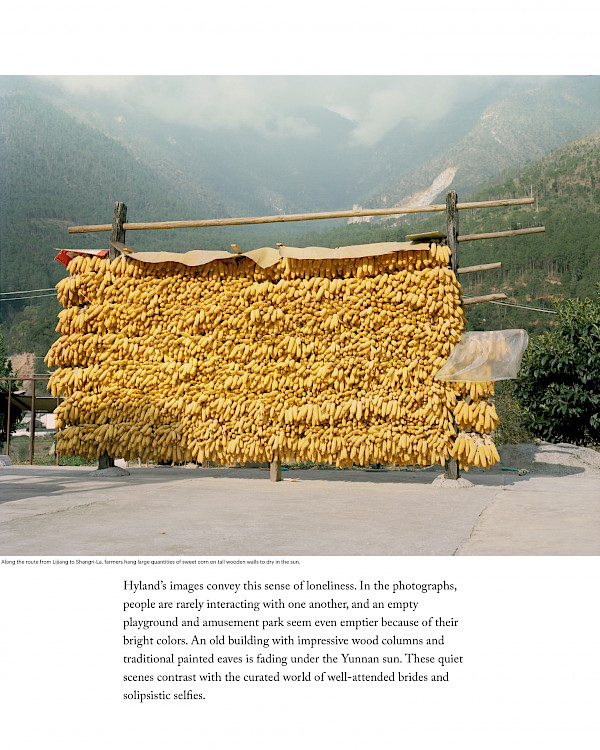
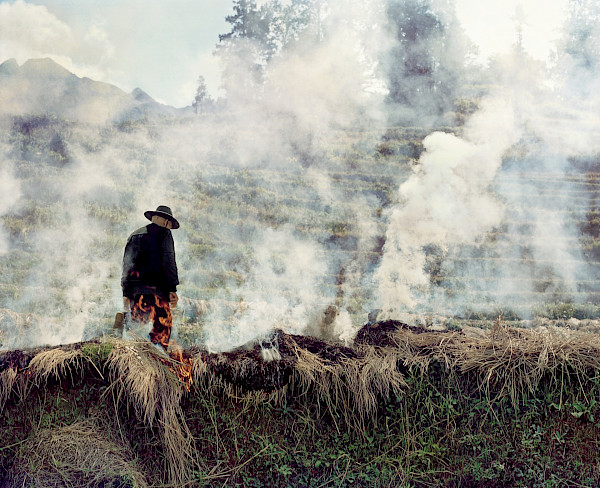
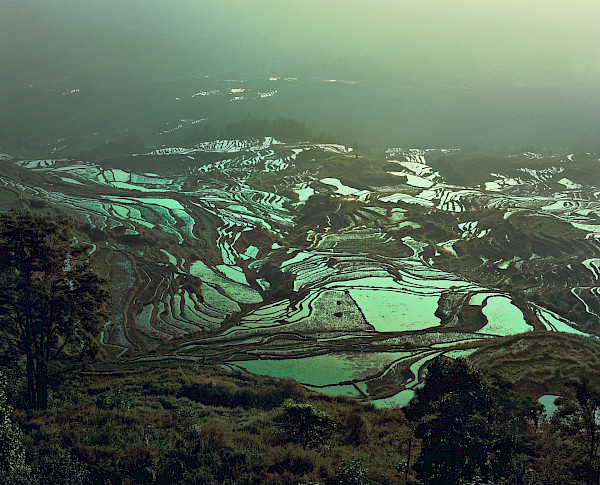
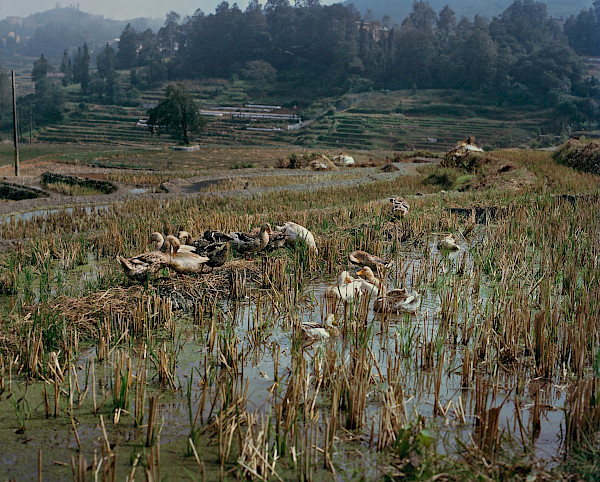
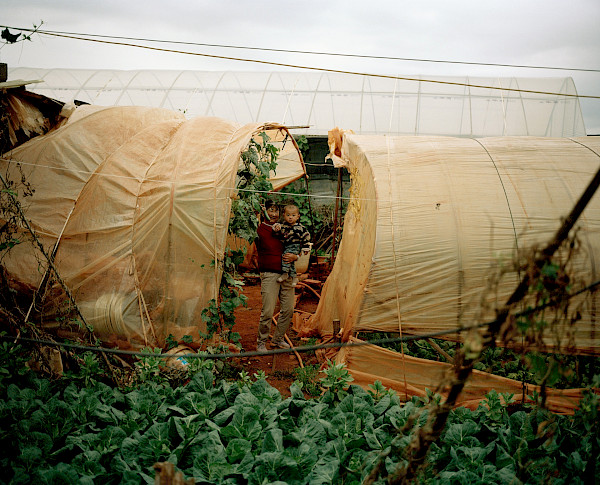
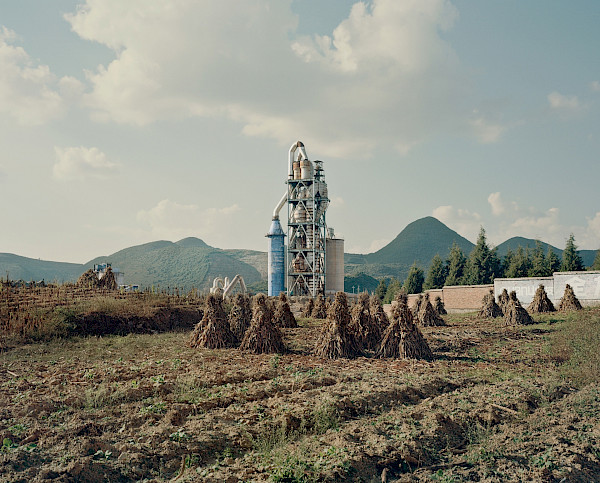
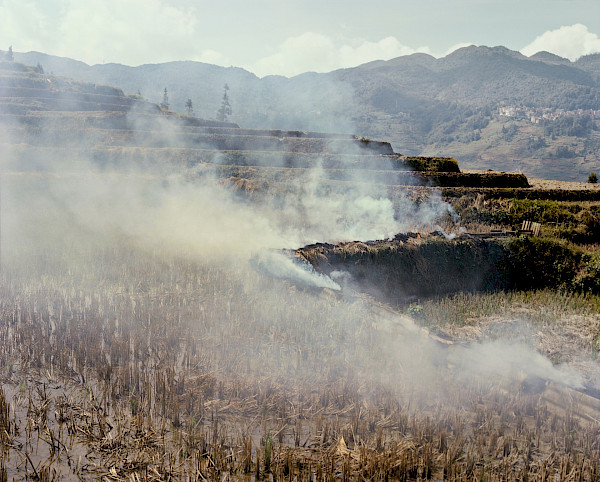
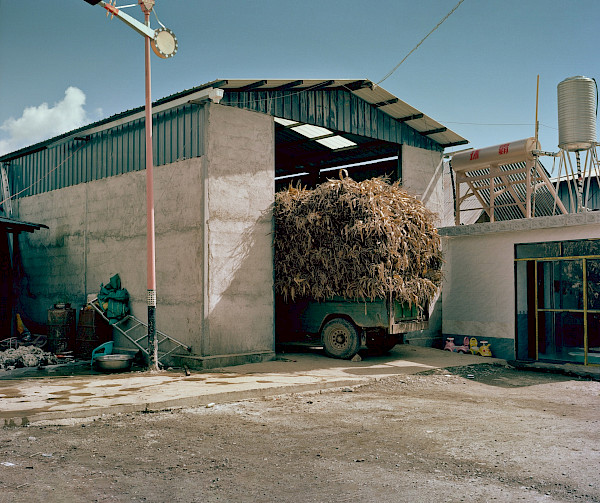
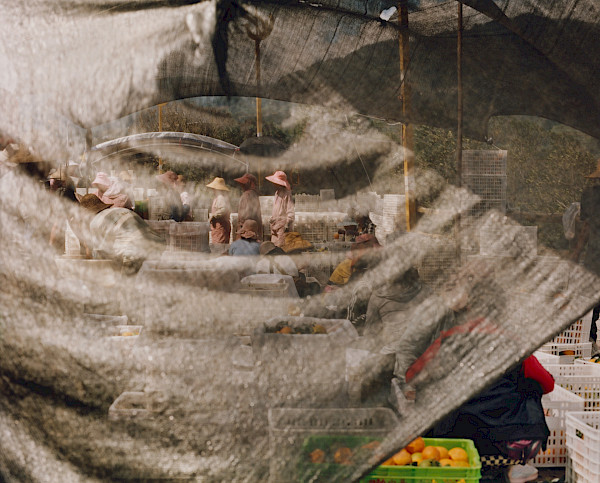
I uncovered Dali while working on a long-term project about the future of farming, which examines how climate change, demographic shifts, and artificial intelligence are changing our perspectives of what farming can be, how farmers live and what the new landscape of farming might look like in Europe, China, and the Middle East. While the economy in Dali has combined subsistence agriculture with tourism for decades, it now faces new challenges born from the gulf between the incomes of the digital nomads and the farming communities they live amongst. The influx of new residents comes at a cost—shifts in local demographics, gentrification, and increases in rental and house prices pushing locals out of the town and into nearby villages—creating an underlying hostility bubbling beneath the surface.
Exhibition